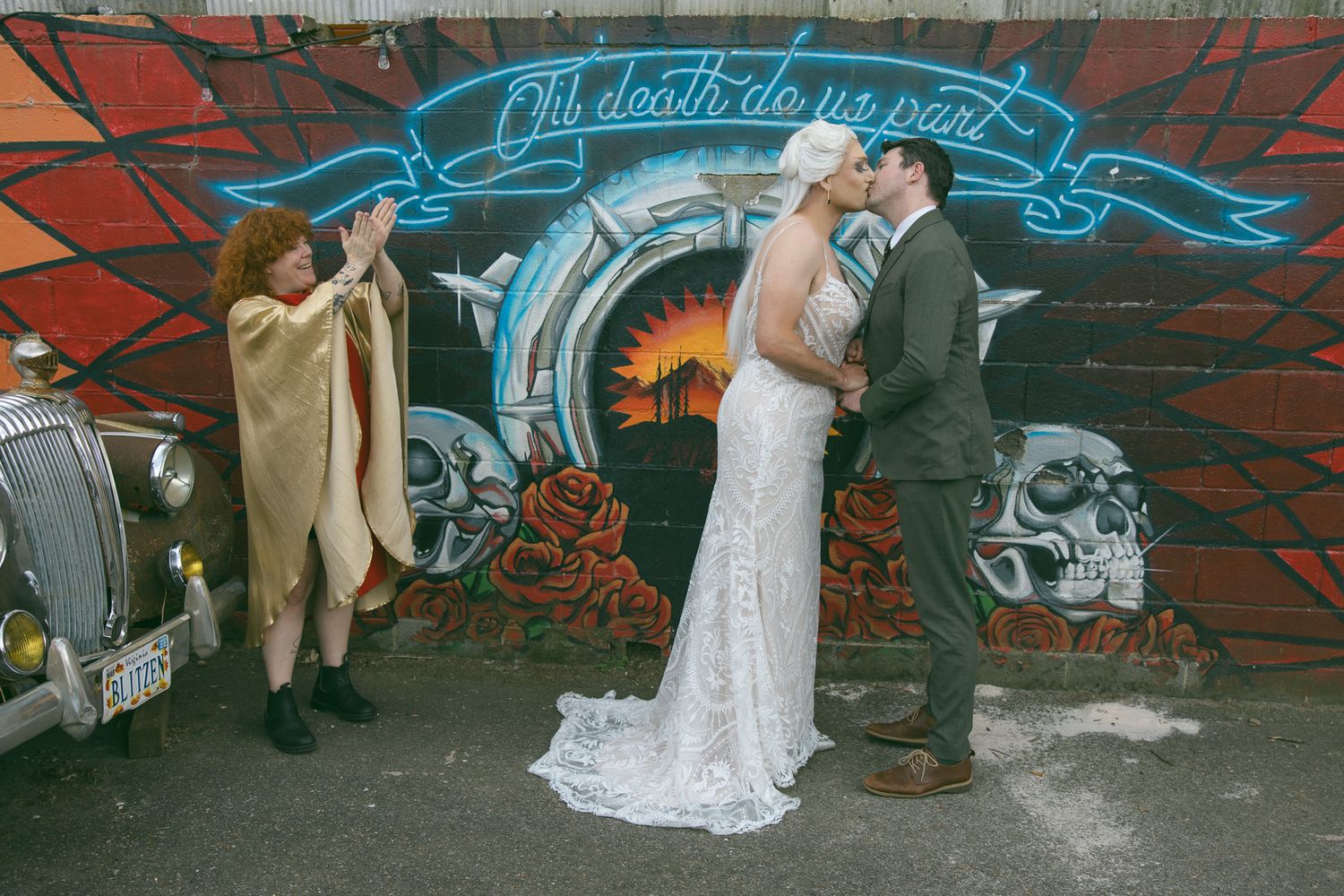
What I Do Differently as a Gay Marriage Officiant
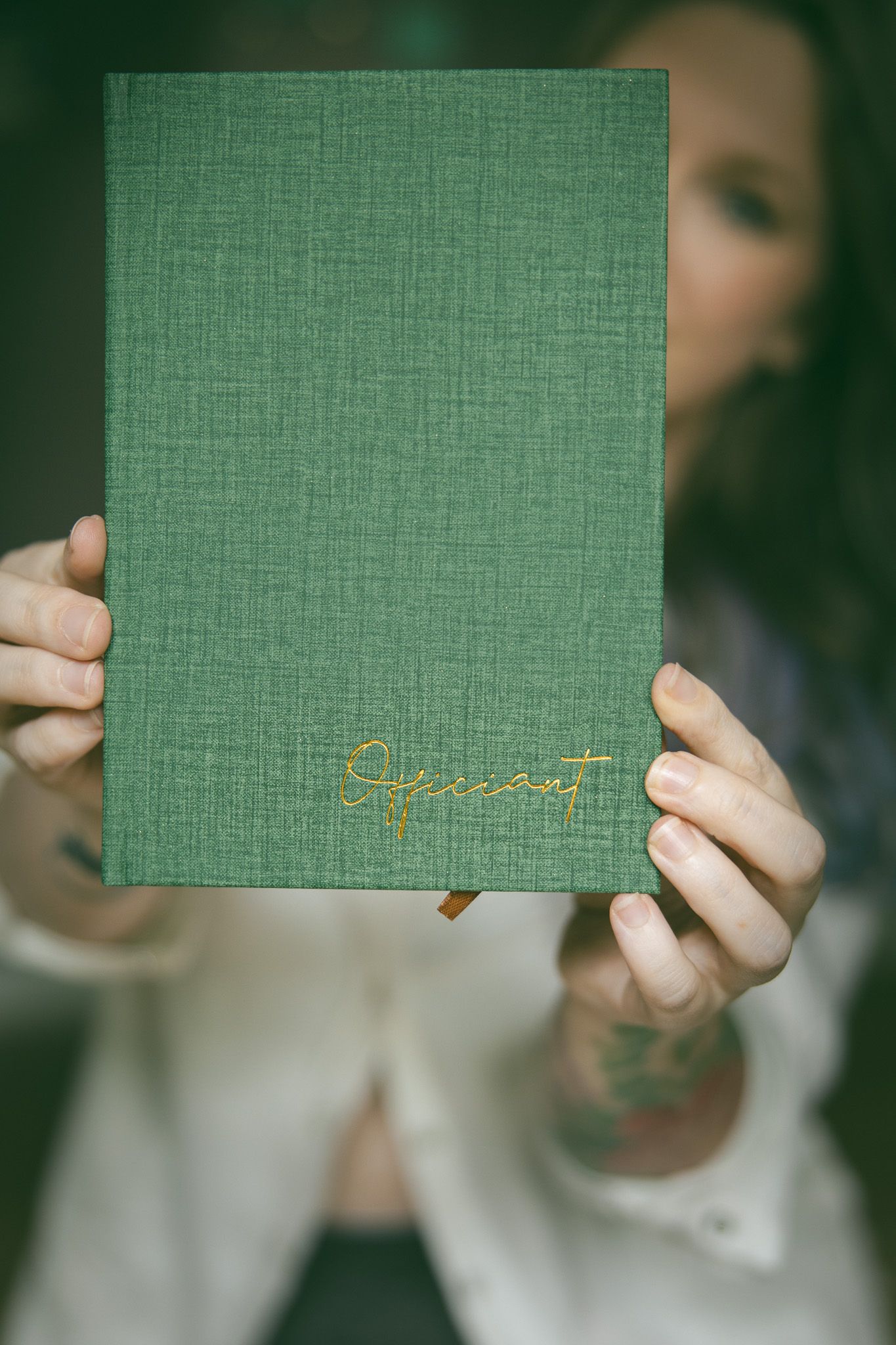
Most couples don’t realize how much power their officiant holds in shaping their wedding experience — especially in an elopement or LGBTQ+ wedding ceremony. Your officiant doesn’t just “say the words.” We set the tone, protect your story, and help your ceremony feel like you.
As a gay marriage celebrant working with LGBTQ+ couples, elopements, and non-traditional weddings, I’ve learned that what truly makes a ceremony unforgettable lives in the details most people never think to ask about.
Here’s what I do differently — and how you can raise the bar for your own ceremony.
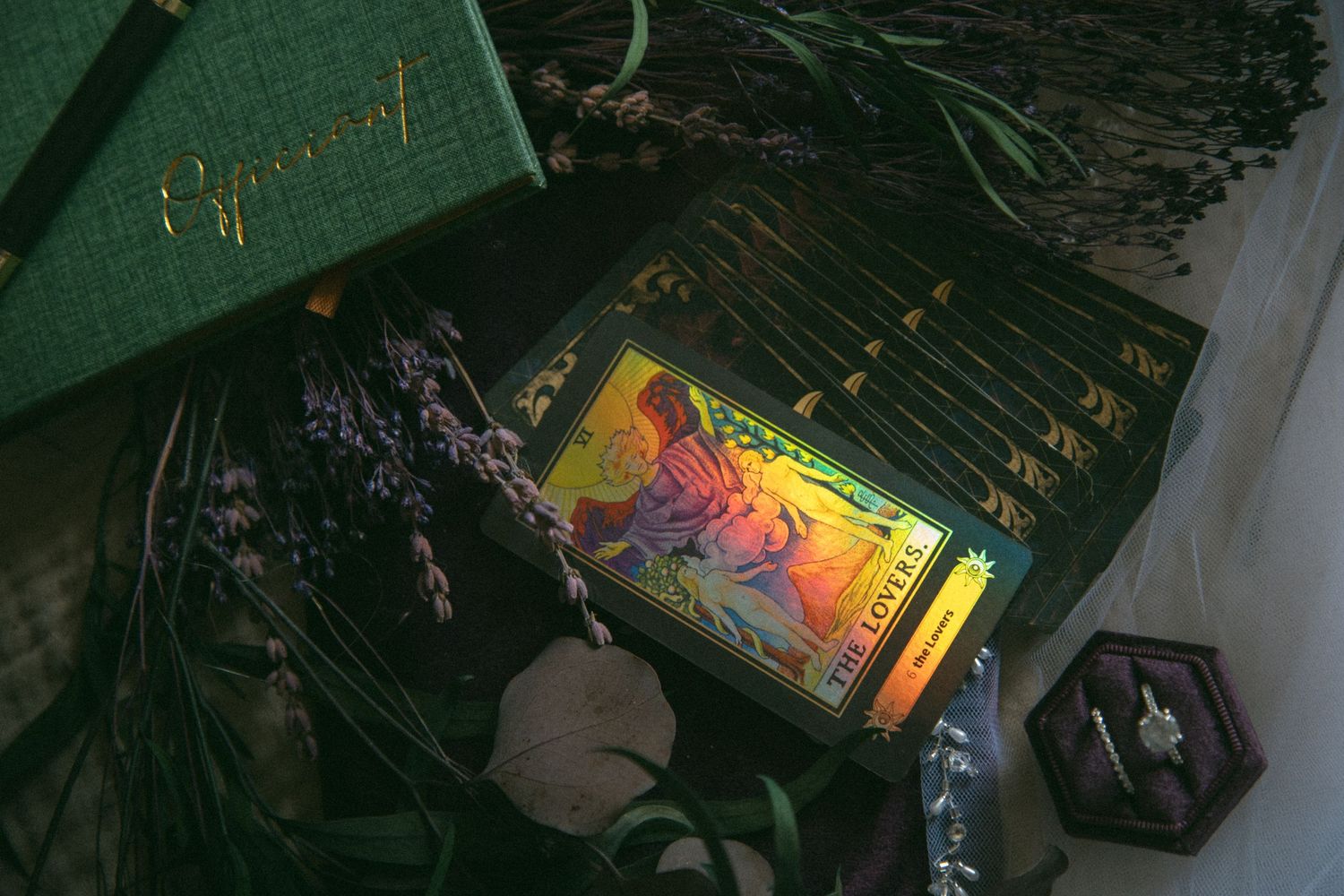
Use Gender-Neutral, Inclusive Language by Default
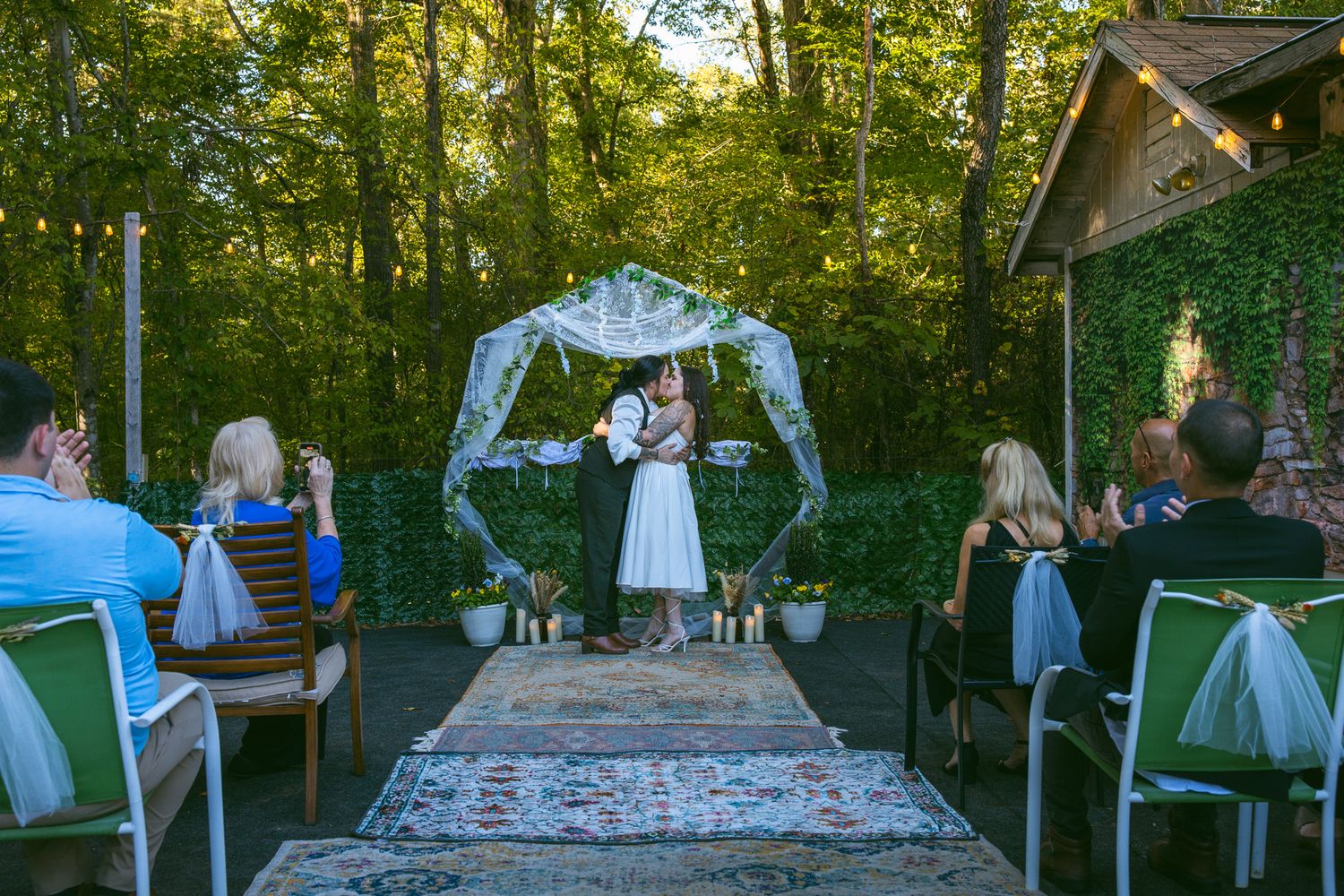
No assumptions. No boxes. I don’t assign roles like “husband and wife” unless you specifically want them. I use partner-first language and ensure your LGBTQ wedding ceremony reflects your identities, not outdated templates. You would be surprised how something as simple as “you may now share your first kiss as wives” helps you feel honored and seen on your wedding day.
Rewrite Tradition Your Way
Why should one partner always go first? Why should vows look the same in every ceremony?
In my gay marriage or unconventional ceremony work, some unconventional approaches I have taken are:
- Switching between which partner speaks first when it comes to vows and pronouncements
- Encouraging nervous couples to share more intimate vows privately, and sticking to “repeat after me” vows in front of others
- Incorporate important moments from your love story into the ceremony script (and making these a surprise on the wedding day!). The ceremony language should invoke emotions for you, not just serve as a performance for your guests.
Because tradition should serve you — not restrict you.
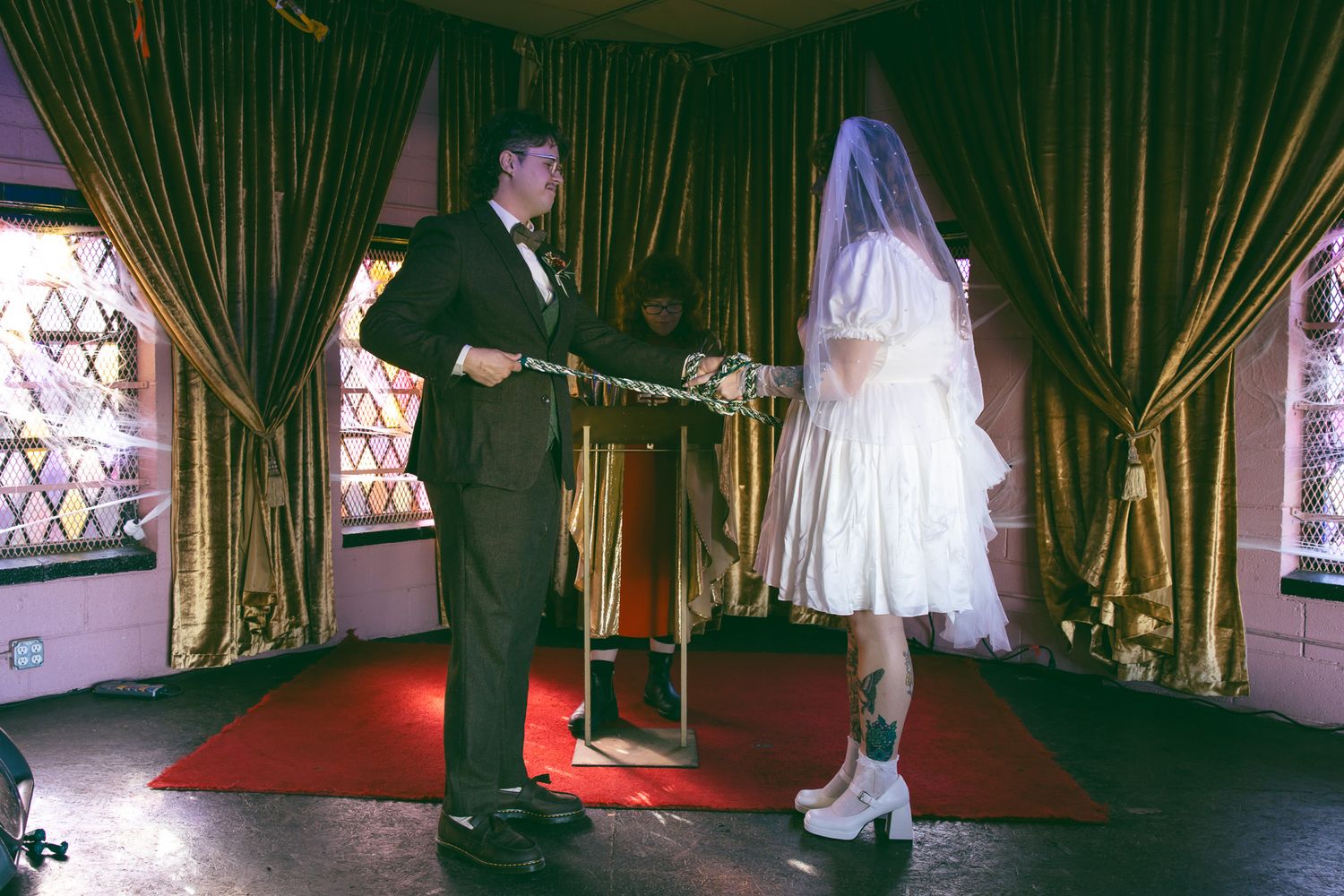
Encourage Meaningful, Fun Rituals
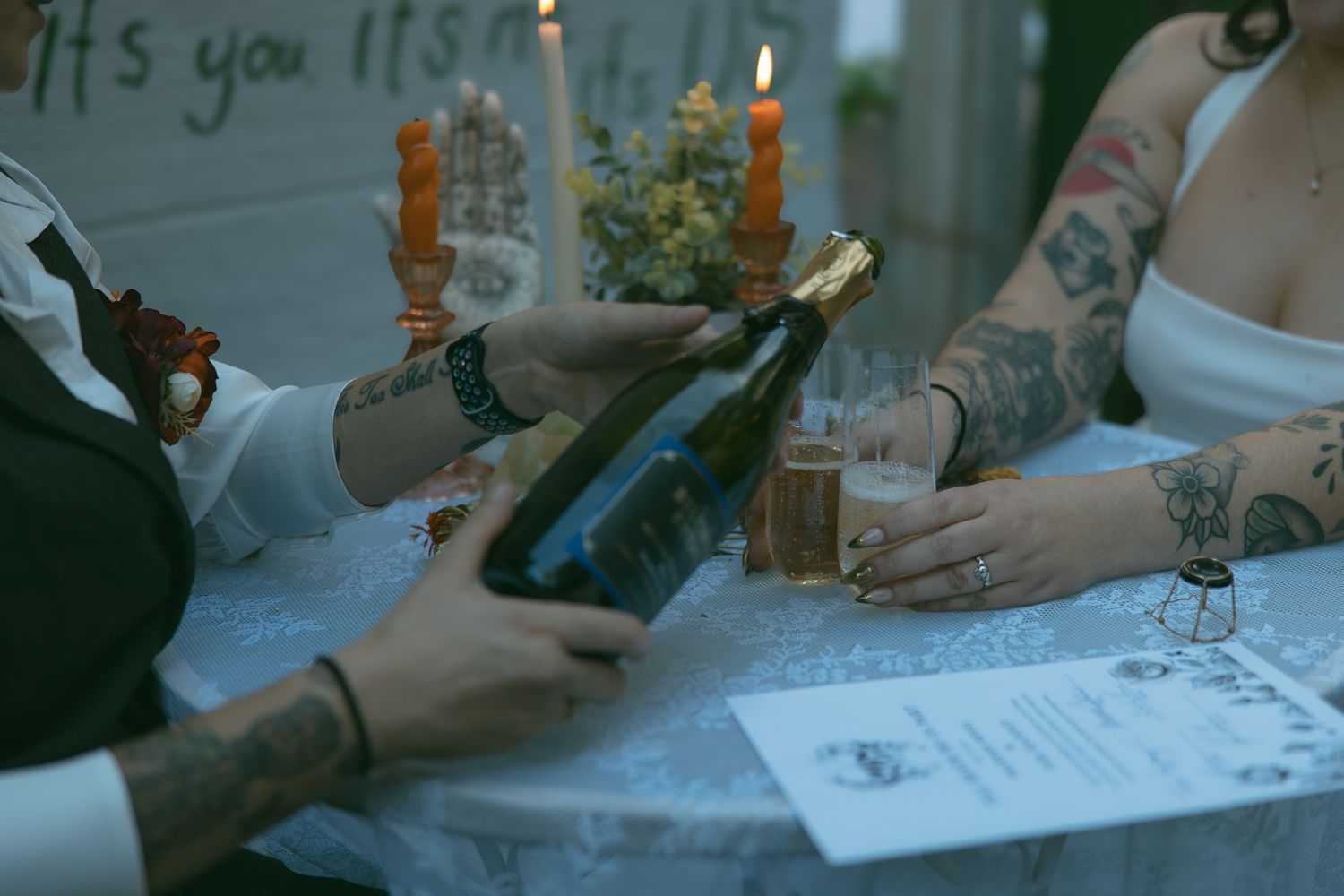
Not everyone wants candles and sand, and rings alone can seem boring. I encourage modern, ancient, and playful rituals like:
- Handfasting
- Oathing stones
- Reiki sessions
- Wine blending
- Chosen family acknowledgments
These rituals are perfect for elopement ceremonies, LGBTQ weddings, and intimate destination celebrations. They add depth without making things feel stiff or religious. They also help to make ceremonies without personalized vows feel a bit longer and more meaningful.
Design Ceremonies for Neurodivergent, Anxious & Sensitive Humans
As a queer and neurodivergent celebrant, I understand that weddings can be emotionally overwhelming — especially for neurodivergent couples.
That’s why I:
- Explain every step before the ceremony so they know exactly what to expect
- Offer sensory-aware pacing
- Provide a tracking number when I submit your paperwork
- Communicate clearly and consistently before and after your ceremony
- Never leave you wondering what happens next
Because love shouldn’t come with unnecessary anxiety. This should be the bare minimum but if you aren’t satisfied with the communication before you book your officiant, don’t expect it to change afterwards.
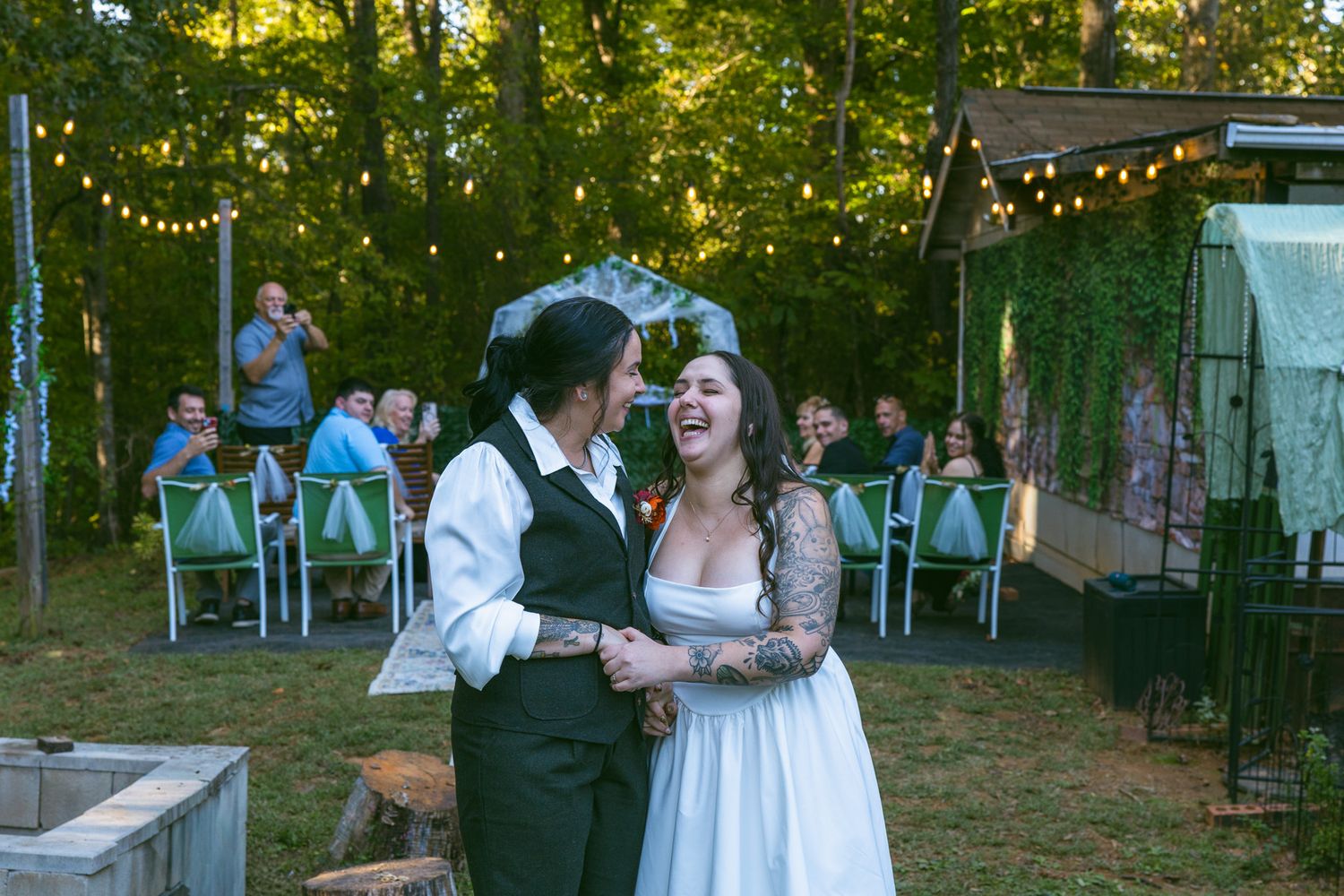
Center Queer Joy, Not Just Queer Tolerance
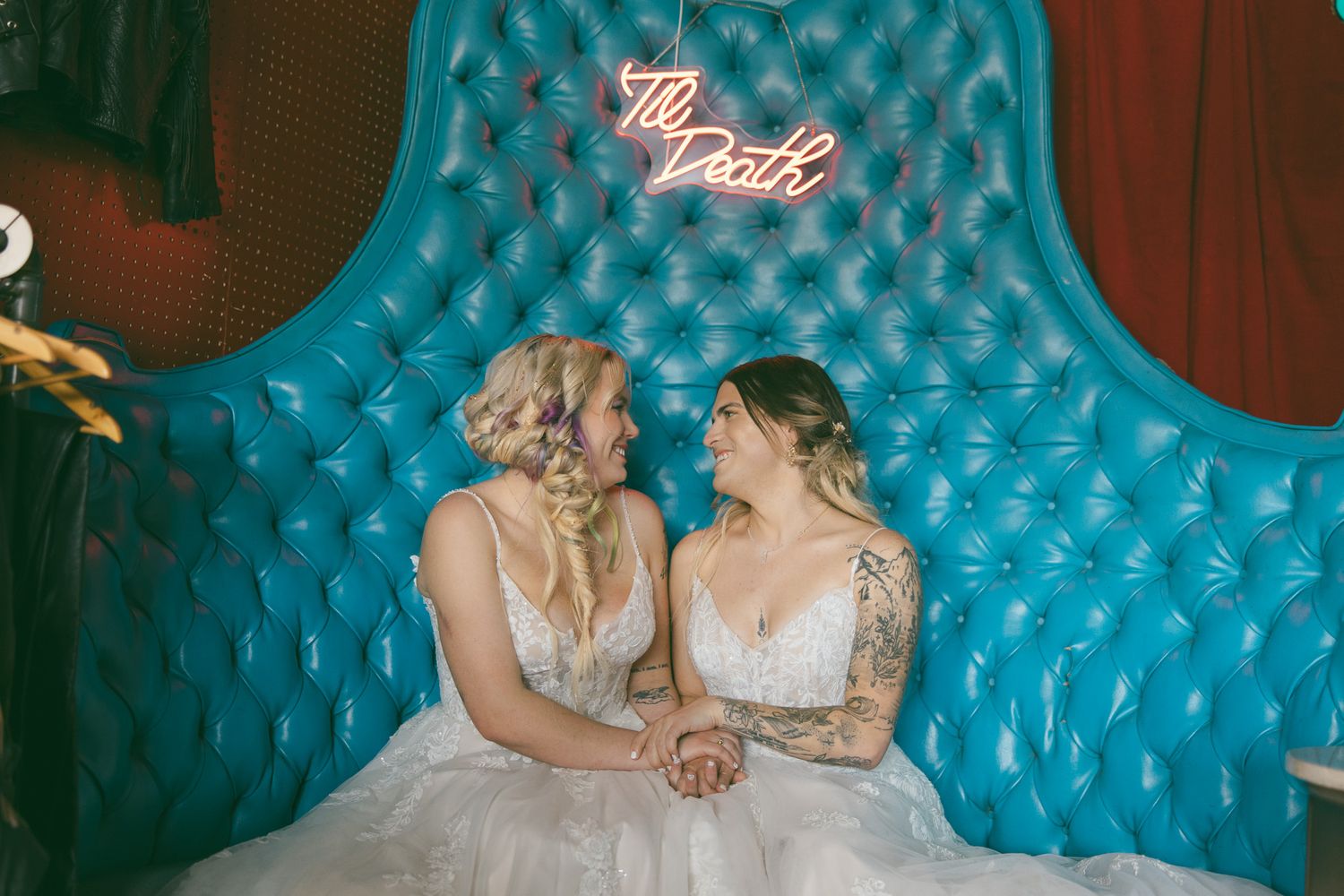
An LGBTQ wedding ceremony shouldn’t just be “allowed.” It should be celebrated.
As a gay marriage celebrant, I create ceremonies that honor queer love openly, proudly, and without apology. Many officiants will state that they are LGBTQ+ friendly, but that doesn’t mean they are comfortable making significant changes to their scripting or process to accommodate you. Whether you’re planning a private elopement, a microwedding with guests, or something more elaborate, your ceremony script is the headline, not a side note. Make sure your celebrant is on the same page.
Work Collaboratively With Your Elopement Team
I offer all inclusive elopement packages with photography, planning, officiant services, florals, etc. so its easy for me to ensure your celebration goes smoothly. Regardless of if you are doing a small destination elopement or planning a traditional wedding, your officiant should partner seamlessly with your wedding planner, photographer, and elopement team so your ceremony flows beautifully into your day.
How to Raise the Bar When Choosing Your Officiant
Ask your officiant:
- How they approach LGBTQ wedding ceremonies
- How they personalize language
- What rituals they offer
- How they support anxious or neurodivergent couples
- How they handle paperwork and communication
- How they make your ceremony feel uniquely yours
Most couples don’t know what they don’t know — until they experience a ceremony that finally feels right. If you don’t get the answers you need to feel confident before booking your officiant, you don’t like the answers afterward.
Final Thought
Your destination elopement, LGBTQ wedding, or nontraditional ceremony deserves more than a standard script. It deserves intention. Safety. Joy. Representation. And a celebrant who sees you fully. Because love — especially queer love — deserves to be celebrated beautifully.